
Curiosities / Explainer
TypeScript 7: why a compiler written in Go matters
TypeScript 7 arrived in July with a native Go foundation. The opportunity is faster development work, not a requirement to change your application language.
Redação AnderZilla ·
Verified: · Announcement or event date:
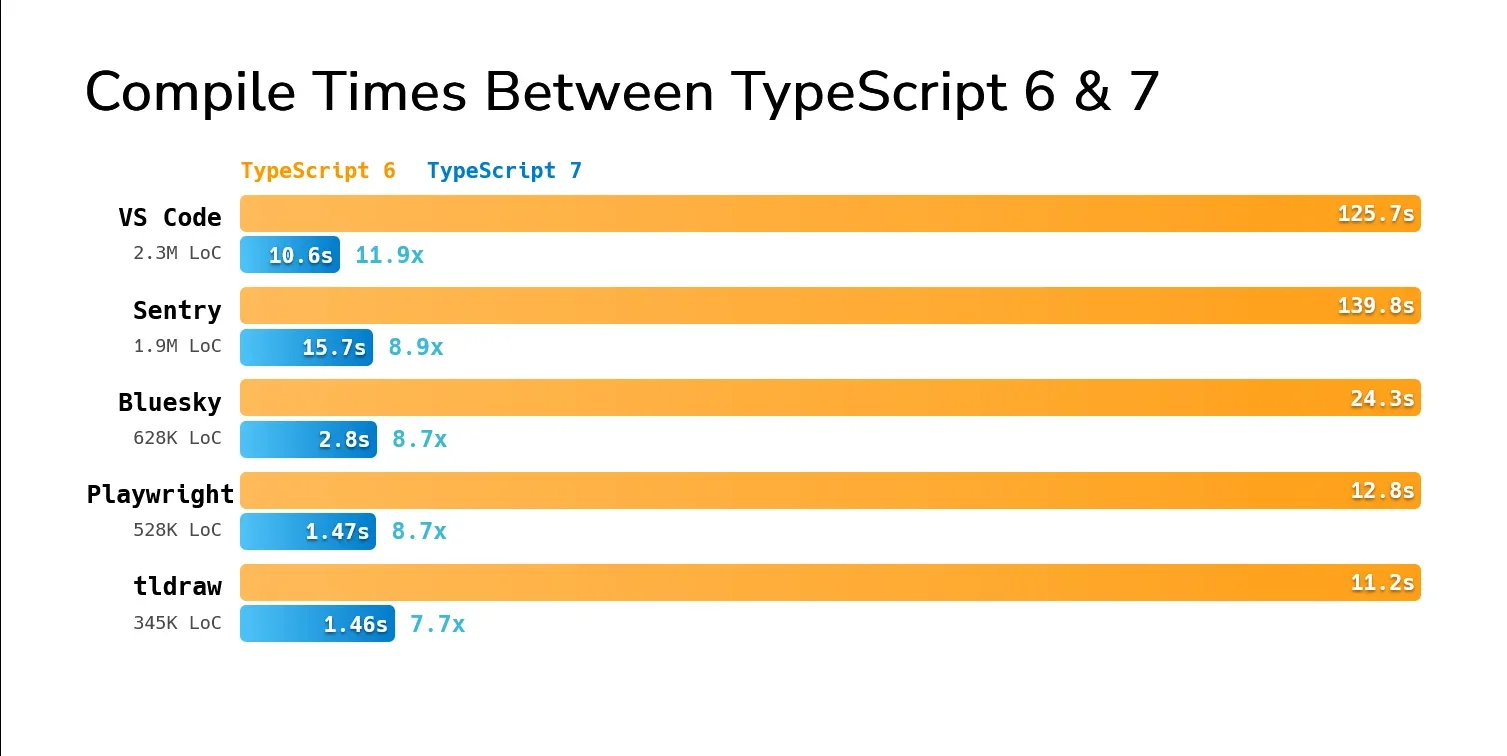
Microsoft released TypeScript 7 on July 8 with its compiler reimplemented in Go. The team reports faster full builds. Version 7.0 does not expose a compiler API; tools depending on it may require TypeScript 6.0 alongside it. This concerns the tool analyzing your project; it does not automatically turn application code into Go.
That small distinction prevents a lot of confusion. Developers building websites or browser games still care about types, errors and editor integration. The implementation change becomes useful when it shortens the interval between editing and discovering a problem.
Our evaluation approach is to measure a familiar project before and after upgrading. Separate installation, type checking, building and testing, because a faster stage may not be the main bottleneck. Record the machine used and check tools that depend directly on the compiler.
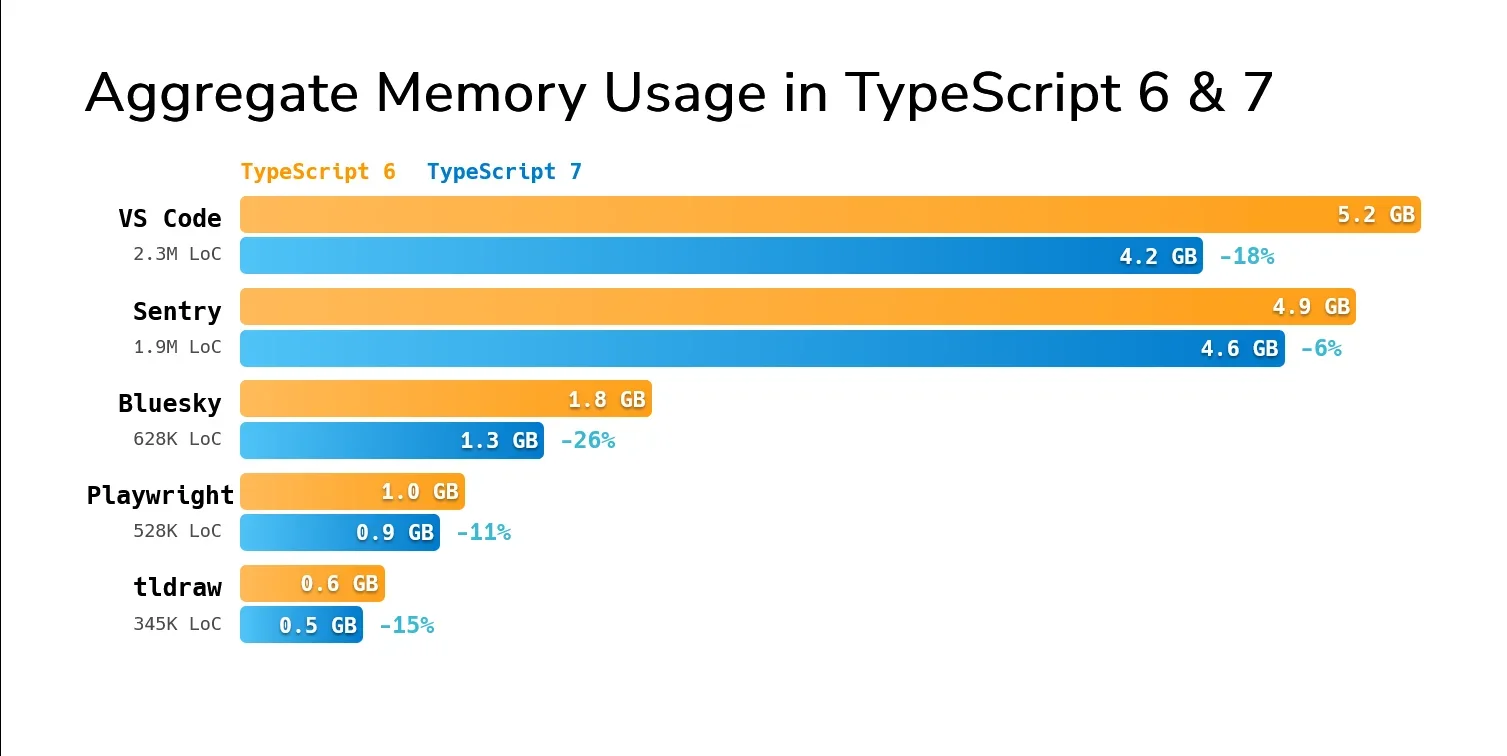
We have not measured gains in AnderZilla and do not present the speed claim as a guaranteed result. The release matters for repositories struggling with waiting and slow feedback. For a small project that already responds quickly, compatibility and maintenance may guide the decision. The useful number is time saved across your complete development loop, including any migration work.
Sources: Microsoft. Checked September 10, 2026. Document-based reporting; no hands-on test.
Sources and reporting context (1)
Original source: Microsoft — TypeScript 7 ↗
Back to discoveries →